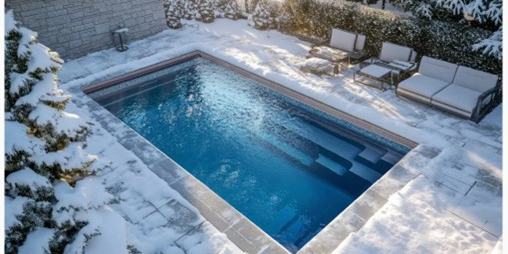
Fiberglass swimming pools are known for their durability, low maintenance, and smooth surfaces, but one of their most important features is the interior finish. The finish is not simply cosmetic; it is a critical structural and protective layer that influences appearance, longevity, water chemistry stability, and user comfort. Understanding how fiberglass finishes work helps pool owners make informed decisions about aesthetics and long-term care.
A fiberglass pool shell is constructed in layers. Beneath the visible surface is a composite structure of fiberglass reinforcement and resin that provides strength and flexibility. The interior finish, commonly called a gelcoat, is the final outer layer applied during manufacturing. This gelcoat is a specialized marine-grade coating engineered to resist water absorption, ultraviolet degradation, staining, and chemical exposure. Unlike plaster finishes in concrete pools, fiberglass gelcoat is non-porous. This smooth, sealed surface reduces algae adhesion and minimizes the need for aggressive chemical treatments.
Modern fiberglass finishes are available in a wide range of colors and visual effects. Early fiberglass pools were limited to basic white or light blue finishes, but advancements in manufacturing have introduced multi-dimensional finishes with metallic flecks, quartz-like shimmer, and layered pigments that change appearance with light and water depth. These finishes create a reflective effect that enhances the pool’s color, often producing deep blues, teals, or lagoon-style hues that vary throughout the day. The water acts as a lens, amplifying the finish beneath it.
Beyond appearance, the finish contributes directly to maintenance efficiency. Because fiberglass surfaces are smooth and non-abrasive, they are gentle on skin and swimsuits. The non-porous nature means fewer microscopic cavities where algae and bacteria can anchor. This reduces brushing frequency and chemical demand compared to rougher surfaces like plaster. Many pool owners notice improved water clarity and lower long-term maintenance costs as a result.
Durability is another key advantage. High-quality fiberglass finishes are engineered to withstand temperature swings, freeze-thaw cycles, and ground movement without cracking. When properly manufactured and installed, the finish can maintain its gloss and color for decades. Fading is minimal when UV-stable pigments are used, and modern gelcoats are formulated to resist chalking or surface breakdown. However, finish longevity still depends on balanced water chemistry. Prolonged exposure to improper pH or sanitizer levels can dull any pool surface over time.
Osterhus Outdoors installs fiberglass pools that offer enhanced surface technologies, including proprietary gelcoat systems and composite enhancements that reduce maintenance and extend color/gloss life as well as increase stain resistance and gloss retention. These advanced finishes aim to further reduce maintenance while extending the aesthetic lifespan of the pool interior.
Osterhus Outdoors installs Leisure and Latham pool models. Both have advanced fiberglass technology.
Leisure Pools – Advanced Finish Technology
• Aquaguard®X Color System: Leisure Pools markets an advanced color system for its fiberglass shells called Aquaguard®X. This proprietary gelcoat range is engineered for enhanced UV resistance, blister resistance, and chemical resistance compared to basic gelcoat surfaces. The result is deeper color retention and improved long-term aesthetics.
• Composite Armour™ Technology: Leisure Pools’ shells feature Composite Armour™, a multi-material laminate designed to improve overall shell strength and performance. While not always marketed explicitly as “ceramic-infused” or nano-sealed, this layered composite system contributes to enhanced surface durability and longevity.
• Performance-Driven Materials: Leisure stresses that its gelcoat and composite materials are formulated to stand up better to environmental stressors and pool chemistry over years of use, reducing the appearance of surface wear, staining, and fade over time.
Latham Pools – Enhanced Durability & Finish Innovation• Exclusive Ceramic-Core Construction: Latham incorporates an exclusive ceramic core layer within its ACP (Advanced Composite Pool) shell construction. This central layer improves water resistance and structural strength, which indirectly enhances the surface’s ability to resist staining and degradation from prolonged chemical exposure.
• Crystite® Color & Finish Technology: Latham’s Crystite technology and color options are engineered to deliver vivid, long-lasting color and a non-porous surface that combats algae adhesion and staining while simplifying maintenance.
• Advanced Resin & Reinforcement Package: Beyond the surface itself, Latham’s use of ceramic-infused resin formulations, vinyl ester resins, and strategic reinforcements (combo E-Glass mat, Kevlar, carbon fibers, etc.) improves the overall shell integrity, which helps maintain surface performance over time.
In practical terms, selecting a fiberglass finish is a balance of style and function. Darker finishes create dramatic water color but may show debris more easily, while lighter finishes reflect sunlight and keep water temperatures slightly cooler. Regardless of color choice, a well-engineered fiberglass finish provides a smooth, resilient, and visually striking surface that is central to the appeal of fiberglass pools.
For homeowners seeking a long-lasting, low-maintenance pool interior with modern design flexibility, fiberglass finishes represent one of the most advanced surface technologies available in residential swimming pool construction.
Ready to start your backyard transformation?

Experienced, dedicated professionals waiting to turn your dream into reality!
We are a family owned and operated small business specializing in customized pools built with quality and care.
Related Posts